Olymp Trade Demo Account Review
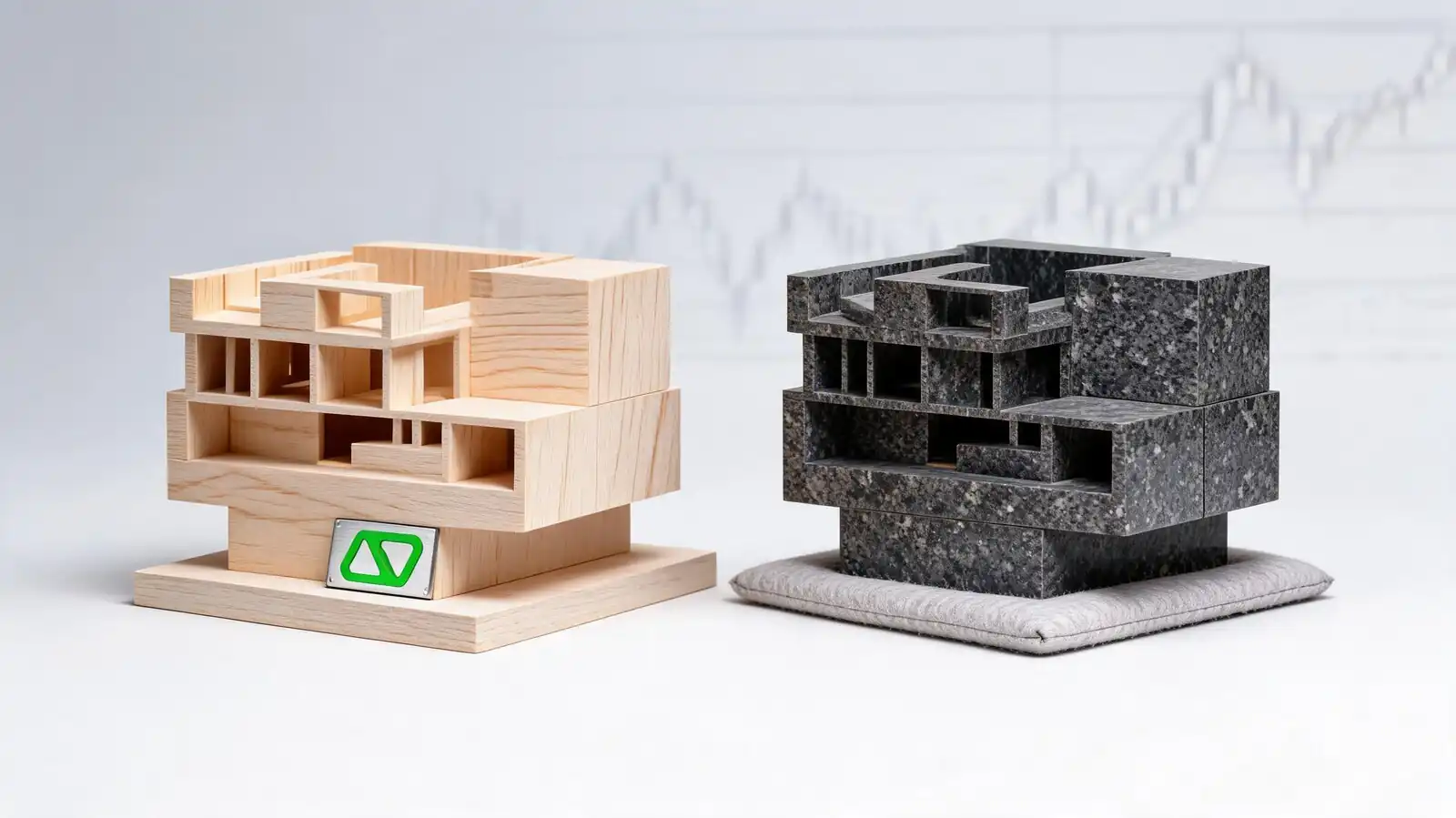
What the demo account offers
Practice mode gives you a funded virtual balance inside the real platform, with the same charts, assets and order flow the live account uses, and no payment step to reach it.
Practice accounts vary a lot across this industry, from crippled sandboxes to full mirrors of the live environment. This one sits at the useful end: the interface you learn in is the interface you will trade in, which is the single thing that makes a demo worth the hours you put into it.
A refillable virtual balance
The account opens with virtual funds, and when you exhaust them you can top the balance back up. There is no penalty for blowing it, which is the point: a demo balance exists to be destroyed a few times while you work out what does not work. Treat the reset button as a diagnostic rather than a get-out clause, and note what you did just before each wipe.
Access without a deposit
No payment method is needed to reach practice mode, and no funding step gates it. That matters more than it sounds, because it removes the usual pressure loop where a beginner deposits first and learns afterwards. You can evaluate the whole product, decide it is not for you, and walk away without having transferred a currency unit.
The assets and modes available
Practice mode covers the platform's main instruments rather than a token subset:
- Fixed Time Trades on the standard asset classes, with the same expiry windows the live account offers.
- Forex and multiplier mode, where leverage behaves exactly as it does live, magnifying both directions.
- The full chart toolkit, including the indicators and drawing tools, so an analysis routine built here transfers over intact.
- Web, desktop and mobile clients, so you can test whether trading from a phone actually works for you.
Because the environment matches the live one, anything you learn about order entry, expiry timing or chart setup carries across without relearning.
Rebuild the same chart layout in practice mode that you intend to trade with live, so the switch changes only the money, not the workspace.
What the demo teaches well
Mechanics, timing and tooling all transfer cleanly from virtual to live trading. Anything that is a matter of procedure rather than psychology can be learned here at zero cost.
Some skills survive the jump from virtual money to real money and some do not. The ones that survive are worth grinding out in practice mode until they are automatic, because paying to learn them later is expensive.
Learning the interface without money at stake
Every misclick you are ever going to make is cheaper here. Selecting the wrong asset, setting an expiry you did not intend, entering a stake with an extra digit, closing a position by accident: these are ordinary beginner errors, and they cost nothing in practice mode. Repeat the full order cycle until placing a trade requires no thought at all, because attention spent on the interface is attention not spent on the market.
Testing strategies and indicators
Practice mode is where an approach gets stress-tested before it costs anything. A workable routine looks like this:
- Write the rule down before you trade it, including entry, expiry and the condition that means you sit out.
- Run it across enough sessions to see it in different market conditions, not just the calm ones.
- Log every trade with the reason for entry, then read the log rather than your balance.
- Change one variable at a time, so you can tell which change caused what.
Most strategies fail this process, which is exactly the value: finding out on virtual funds costs nothing but time.
Understanding FTT timing
Fixed Time Trades resolve on a clock, and the clock is what beginners misjudge. Short windows behave very differently from longer ones, price noise dominates at the short end, and an entry taken seconds before expiry is a different bet from the same entry taken at the open of the window. Practice mode lets you feel that difference across dozens of trades until the timing intuition is real rather than theoretical.
Keep a written trade log from your first virtual trade; the habit is far harder to start once real money is making you defensive.
Where the demo misleads
Virtual money removes the one variable that decides most trading outcomes. Every behavioural failure that destroys live accounts is invisible in practice mode, which makes strong demo results a weak predictor.
Honesty about a practice account means naming what it cannot teach. The gap is not in the software, which is faithful. It is in the trader, and it opens the moment the balance is real.
No emotional pressure of real money
Hesitating on an entry, cutting a position early out of fear, doubling down to recover a loss, refusing to accept a losing streak: none of these show up on virtual funds, because nothing is actually at stake. Discipline that has never been tested is not discipline, it is an untested assumption. A trader who follows the rules perfectly in practice may abandon them within an hour of going live, and that is the normal experience rather than the exception.
Fills and slippage feel different
Execution in a practice environment is idealised. Live conditions introduce friction that a demo smooths over:
- Price movement between the moment you decide and the moment the order registers.
- Volatility around news events, when spreads widen and behaviour changes.
- Connection lag on a mobile network, which is where most people trade.
None of this is unique to one platform; it is the difference between a simulation and a market. Expect live results to be modestly worse than practice results for the same strategy, and treat that gap as normal rather than as a fault.
Overconfidence from demo wins
The most expensive thing a practice account produces is a winning streak. A run of profitable virtual trades feels like evidence of skill, and it usually is not: sample sizes are small, position sizing is careless because the money is not real, and the emotional load that would have broken the routine was absent. The dangerous sequence is a strong demo run followed by a live deposit sized to match the confidence rather than the risk.
A profitable demo run proves the mechanics work, not that you will follow them when the loss is your own money.
Moving from demo to live
The transition deserves a plan of its own. Fund small, size positions smaller than feels interesting, and treat the first live weeks as continued training rather than the start of returns.
Switching to a live balance is the point where most of the value of practice is either kept or thrown away. The traders who keep it change one thing at a time: same strategy, same chart setup, same routine, only the money becomes real.
Starting with the minimum deposit
The entry cost on this platform is deliberately low, which suits this stage exactly. A small double-digit dollar figure is typical for this category, but the current minimum is the one published on the official site, and terms move without notice, so confirm it there before you fund. Verified against public platform information on August 2, 2026.
Two practical points matter more than the number itself. Complete identity verification before or immediately after your first deposit, since verification is normally triggered at the first withdrawal request and getting it done early removes the most common source of frustration. And make a small withdrawal early, before you have much at stake, so you know the round trip works for your payment method and your country.
Keeping position sizes small
Position sizing is where practice habits break first, because virtual stakes carried no weight. Fix the size by rule rather than by feel:
- Decide the fraction of your balance a single trade may risk, and write it down before you start.
- Set a daily loss limit and stop for the day when you reach it, with no exceptions for a promising setup.
- Never increase size to recover a loss; that impulse ends more accounts than any strategy flaw.
- Decline deposit bonuses at this stage, because turnover conditions push you towards trading more than you planned.
Treating early live trades as learning
The goal of the first live phase is information, not profit. You are finding out how you behave when the balance is real, and that answer is worth paying a small amount for. Fund only what you would be willing to lose in full, keep the trade log running, and judge the period by whether you followed your rules rather than by the balance at the end of it. Fixed-time trading is high-risk and money can be lost quickly, which is precisely why the learning phase should be cheap.
Withdraw a small amount early; proving the payment round trip works removes the biggest unknown while your balance is still tiny.
Demo verdict
As onboarding, practice mode does its job well and costs nothing. Its limits are real but predictable, and knowing them turns the account from a confidence machine into a training tool.
Weighed as what it is, a free training environment rather than a simulator of trading psychology, the demo account earns a clear recommendation. It is the first thing a new user should open and the last thing they should rely on for evidence about their own discipline.
Clear strengths
- No deposit and no payment method required, so evaluation costs nothing.
- The same interface, chart tools and expiry structure as the live account, so learning transfers intact.
- A refillable balance, which allows repeated experiments without consequence.
- Coverage of both Fixed Time Trades and leveraged forex mode, so you can compare the two products before choosing.
- Available on mobile and desktop, letting you test the device you will actually trade from.
Honest weaknesses
- No emotional exposure, which is the variable that decides most live outcomes.
- Idealised execution, so live fills and volatility feel rougher than practice suggests.
- Virtual balances encourage careless position sizing that would be reckless with real funds.
- A winning streak here can manufacture confidence a strategy has not earned.
- It teaches nothing about verification, payments or withdrawals, which is where real friction lives.
How long to stay on demo
Long enough to stop learning from it, which is measured in behaviour rather than weeks. You are ready to move when placing a trade is automatic, when you have a written rule set you have followed across a losing stretch without changing it mid-session, and when your log shows you sitting out the setups your rules exclude. Staying longer than that has diminishing value, because the remaining lessons only exist where real money is involved.
If practice mode has left you unsure whether the product suits you, that is a useful answer rather than a failure. Anyone who needs predictable returns, or who is uncomfortable with the possibility of losing the full deposit, is better served by a regulated investment account than by fixed-time trading on any platform.
Leave practice mode when your behaviour has stabilised, not when your virtual balance looks impressive.
Frequently asked questions
Is the Olymp Trade demo account free?
Yes. Practice mode uses virtual funds, requires no deposit and needs no payment method attached to the account. The balance can be topped back up when you exhaust it, so there is no cost to running the same experiment repeatedly. That makes it the natural place to decide whether the platform and the product suit you.
Does the demo work exactly like the live account?
The interface, chart tools, asset selection and expiry structure match, so everything procedural transfers. Execution is the exception: practice fills are idealised, while live trading brings slippage, wider spreads around news and connection lag. Expect live results for the same strategy to be somewhat worse, and treat that gap as normal rather than as a platform fault.
How long should I practise before depositing?
Until your behaviour is stable rather than until a set number of weeks has passed. The signals are placing trades without thinking about the interface, following a written rule set through a losing stretch without changing it, and sitting out setups your rules exclude. Once those hold, further practice teaches little, because the remaining lessons require real money.
Can I switch between demo and live accounts?
Yes, the account switcher is built into the platform on web, desktop and mobile, so you can return to practice mode at any time. Using it deliberately helps: when a live session goes badly, moving back to virtual funds to rebuild a routine is cheaper than trying to fix the problem with money on the line.
Why do I win on the demo and lose with real money?
Because the variable that changed is you. Virtual funds carry no fear of loss, so position sizing stays careless and discipline is never tested. With real money, hesitation, early exits and attempts to recover losses appear for the first time. Smaller position sizes and a written trade log are the practical fixes for that gap.